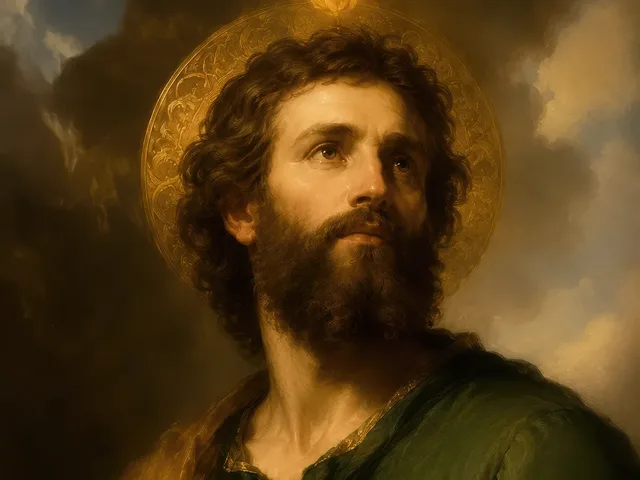
Saint Columba: The Book, the Battle and the Monster
Saint Columba lost his country over a book. He copied a psalter that belonged to somebody else, refused to hand the copy over, was overruled by the high king in what is very probably the first copyright judgment in European history, and then let his kinsmen fight a battle about it in which thousands died. He left Ireland the following year and never lived there again. That is the version the medieval sources give, and while every part of it is disputed by somebody, it is the reason a monk from Donegal ended up on a small island off the west coast of Scotland, from which Christianity spread across the north of Britain. This is his story, the manuscripts his monks made, and the one passage in his biography that made him unexpectedly famous fourteen centuries later.
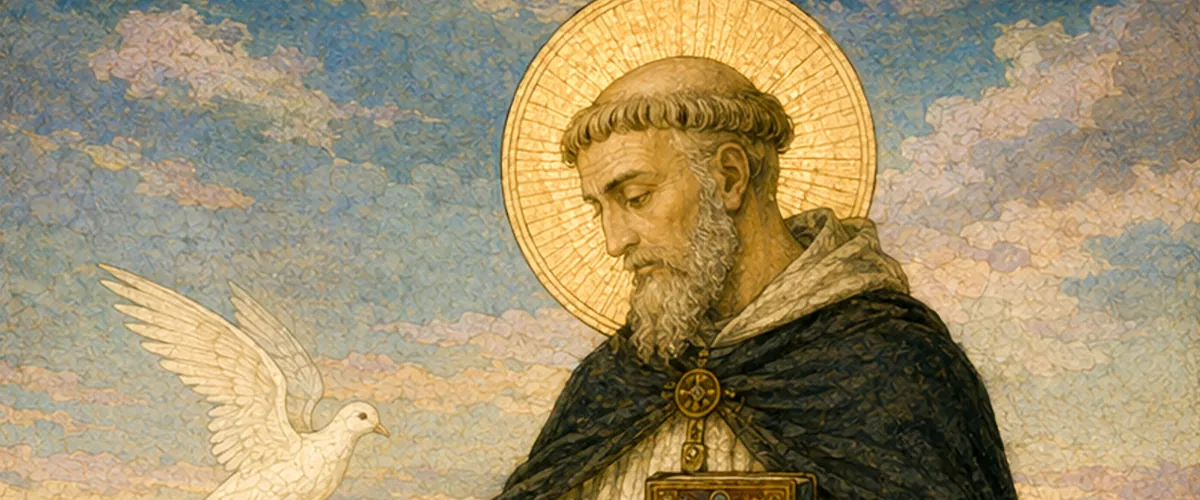
The dove of the church
He was born on 7 December 521 at Gartan in County Donegal, into the Cenel Conaill branch of the Ui Neill, the most powerful dynasty in the north of Ireland. His great-grandfather was Niall of the Nine Hostages. Had he wanted it, and had things gone a certain way, he could have been considered for the high kingship. The Irish sources never let you forget this: Columba is a prince first and a monk second, and he behaves like one for the rest of his life. His baptismal name was Crimthann, meaning fox. The name he is known by, Colum Cille, means dove of the church, and it stuck. In Latin that becomes Columba, and Columba in Latin simply means dove, which is the answer to a question a great many people put to search engines every year. He trained under Finnian of Moville and then under Finnian of Clonard, the teacher of the group traditionally called the Twelve Apostles of Ireland. He founded monasteries at Derry, at Durrow, and probably at Kells, before he was forty.
The book that started a war
The story is told in the later Lives rather than the earliest one, which is a reason for caution, but it has been told for a thousand years and it is worth telling properly. Columba borrowed a psalter from Finnian of Moville and sat up at night copying it without asking. Finnian found out and claimed the copy as his own property, on the argument that a copy made from his book belonged to him. Columba refused. The dispute went to Diarmait mac Cerbaill, the high king, who ruled against Columba in a sentence that has been quoted ever since: to every cow its calf, and to every book its copy. Columba would not accept it. His kinsmen took up the quarrel, and in 561 they fought the battle of Cul Dreimhne against the high king’s forces. The tradition says three thousand men died. Columba was blamed, and a synod at Teltown moved to excommunicate him. The manuscript at the heart of it may still exist. The Cathach, meaning the battler, is a psalter of about 600 held by the Royal Irish Academy, the oldest surviving Irish manuscript and the second oldest Latin psalter in the world. Tradition identifies it as Columba’s copy. Palaeographers date it slightly too late for that, but it was certainly kept as a relic of him, carried into battle in a metal shrine by the O’Donnells for centuries, which is how it got its name.
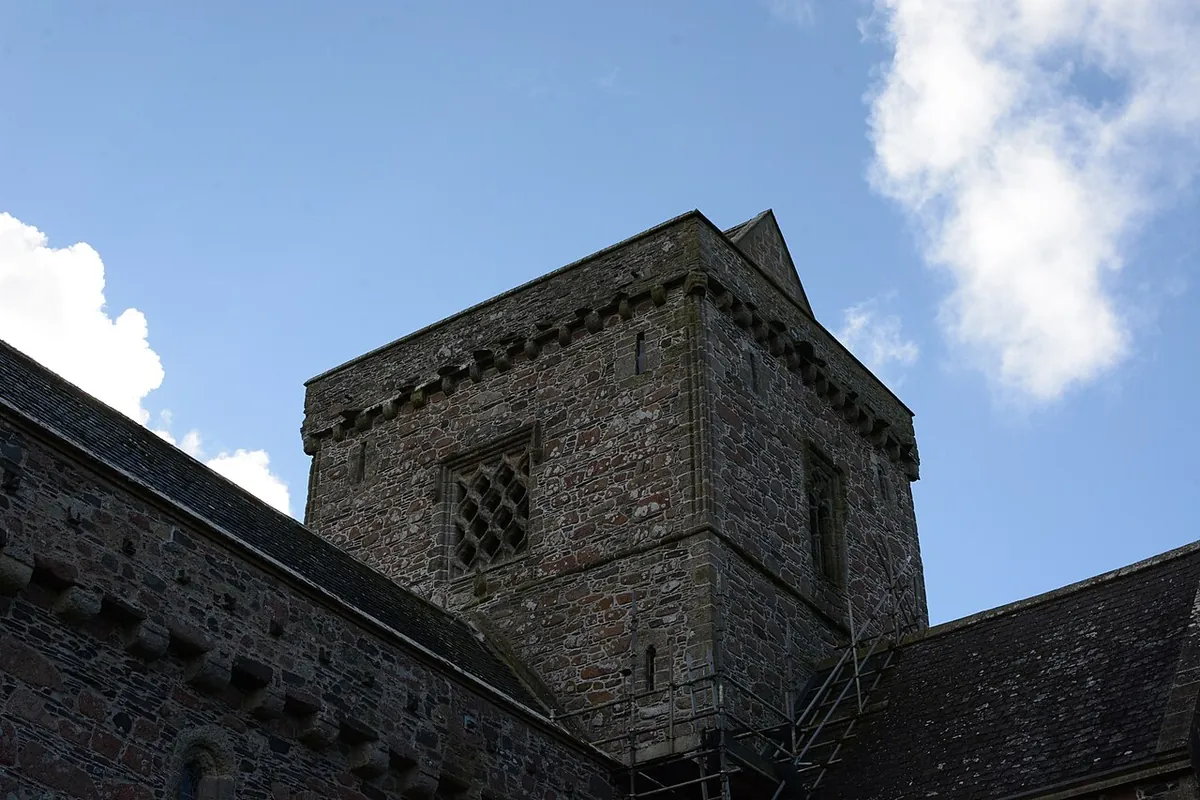
Iona
In 563, at forty-two, Columba left Ireland with twelve companions and settled on Iona, an island three miles long off the coast of Mull. Whether he went as a penitent, in expiation for the dead of Cul Dreimhne, or as a missionary by choice, or simply because a prince who had annoyed the high king was safer abroad, is a question the sources answer differently depending on their date. What he built there outlasted all of it. Iona became the mother house of a family of monasteries across Scotland and northern England, the training ground of the mission that converted Northumbria, and a burial place so prestigious that Scottish, Irish and Norse kings asked to be laid there. Its scriptorium produced manuscripts that changed European book art.
Columba himself travelled constantly. He went north into Pictland to the court of King Bridei near Inverness. He ordained Aedan mac Gabrain king of Dal Riata, one of the earliest recorded Christian royal ordinations anywhere in Britain, which tells you what kind of political weight the abbot of Iona carried. He returned to Ireland at least once, for the convention of Druim Cett in 575, where he is said to have argued successfully for the poets, who were about to be expelled for being insufferable.
The beast in the river
In the second book of Adomnan’s Life of Columba, written around 700, there is a short chapter that has since become the most quoted paragraph in early Scottish literature. Columba comes to the River Ness and finds the local people burying a man who has been bitten to death by a water beast while swimming. Columba tells one of his monks, Lugne, to swim across and fetch a boat. Lugne obeys. The beast comes up from the bottom of the river with its mouth open. Columba makes the sign of the cross and orders it to go no further and touch nothing. The beast stops as if pulled back by ropes, and flees. The watching Picts are impressed. It is the earliest written account of a monster in the waters of the Ness, and it has been pressed into service for the Loch Ness legend ever since the 1930s. Two honest qualifications belong with it. The episode takes place in the river, not in the loch. And this is a miracle story of a completely standard hagiographic type: the holy man commands a beast and the beast obeys, exactly as Columbanus commanded a bear and Gall commanded another. What Adomnan is claiming is not zoology. He is claiming authority over creation.
Adomnan, and the white horse
We know more about Columba than about almost any other figure of his century in Britain or Ireland, and it is because of one book. Adomnan, ninth abbot of Iona and Columba’s kinsman, wrote the Vita Columbae around the year 700. It is not a chronological biography, it is three books of prophecies, miracles and visions, but it is packed with incidental detail about a working monastery that no other source provides. Its last pages are the finest thing in the book. Columba, in his seventy-sixth year, goes to bless the monastery’s granary and tells his servant Diarmait that he will die that night. On the way back he sits down to rest, and the old white horse that carried the milk churns between the byre and the monastery comes to him, lays its head on his chest, and begins to weep. Diarmait moves to drive it off. Columba stops him, and blesses the animal. That night he goes to the church before the others, and is found lying before the altar. He was buried on Iona on 9 June 597, which is his feast day.
The books his monks made
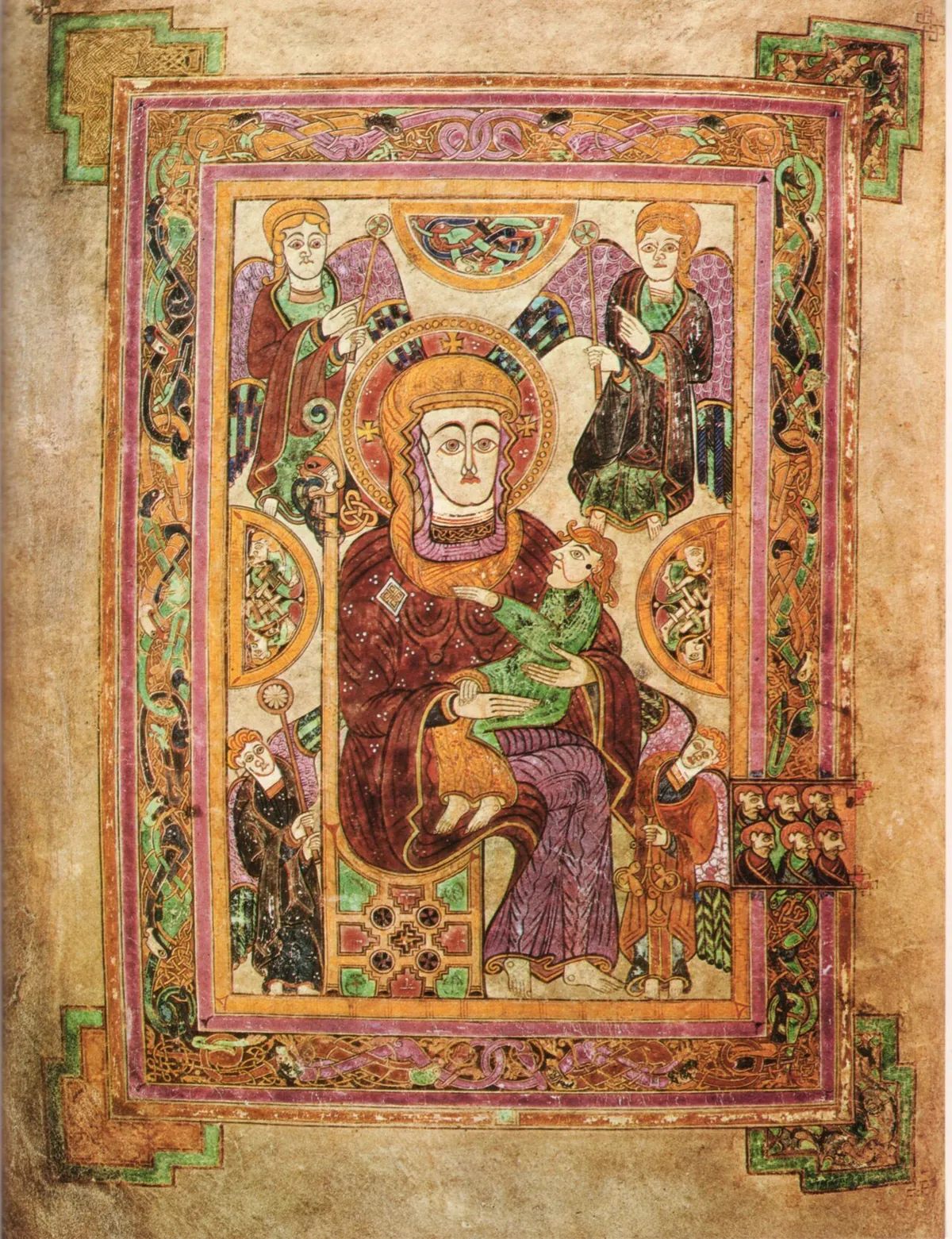
Columba’s real monument is not on Iona, it is in a library in Dublin. The Book of Kells was made by the monks of his own monastic family, begun on Iona around the year 800 and finished at Kells in County Meath after Viking raids drove the community off the island. It is the most elaborate insular manuscript that survives, and among its pages is the one below: folio 7v, the Virgin and Child, the earliest surviving image of the Virgin in any Western manuscript.
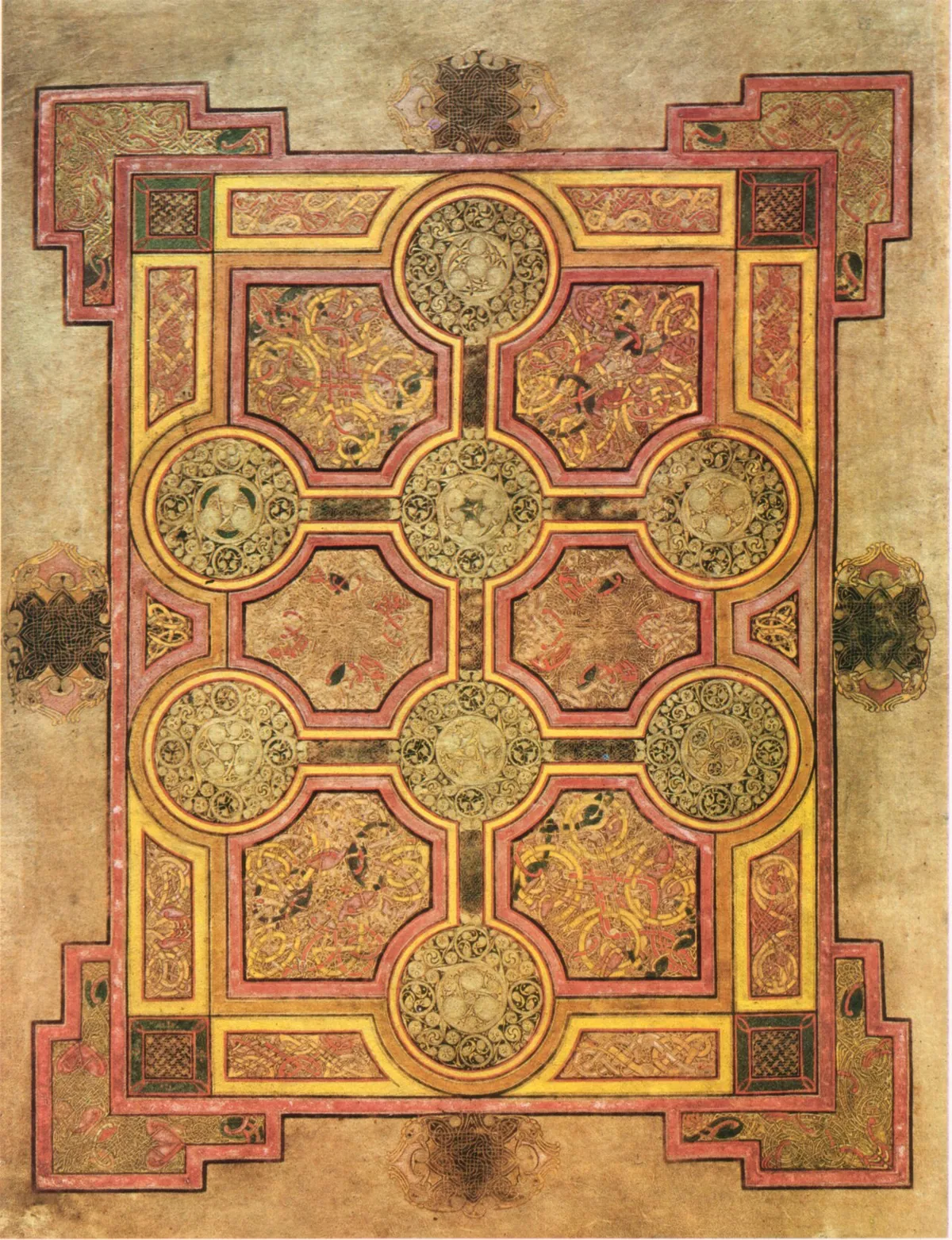
Beside it, the carpet pages: entire sheets of vellum given over to nothing but ornament, interlocking circles and octagons and animal interlace worked at a scale that is hard to believe was done by hand.
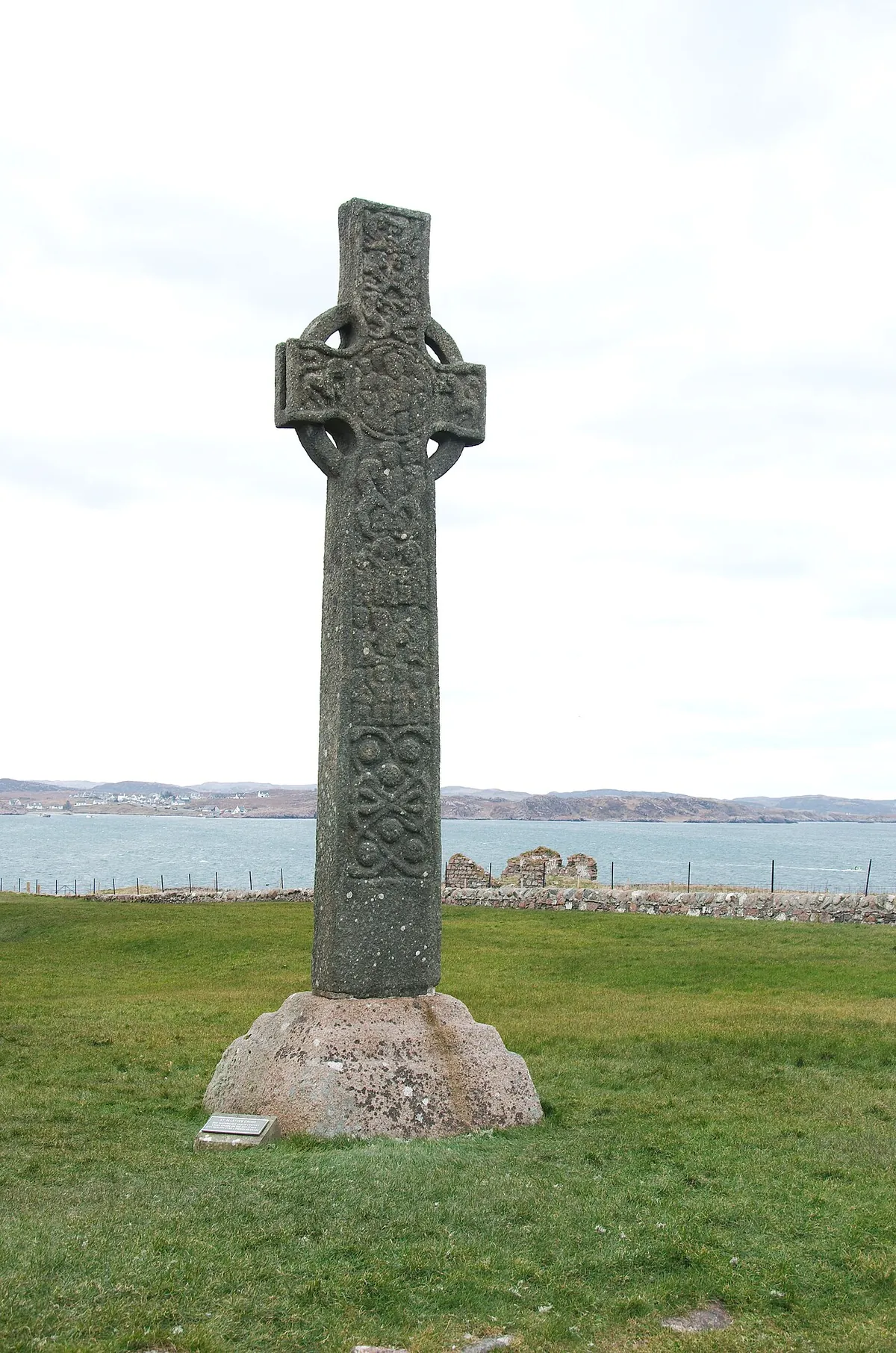
The other monument is stone. Saint Martin’s Cross still stands outside the abbey church on Iona where it was raised in the eighth century, ringed head and carved shaft, one of the very few Irish high crosses never taken down. Columba’s monks put it there. It has been standing in the Atlantic weather for twelve hundred years.
What Columba looks like
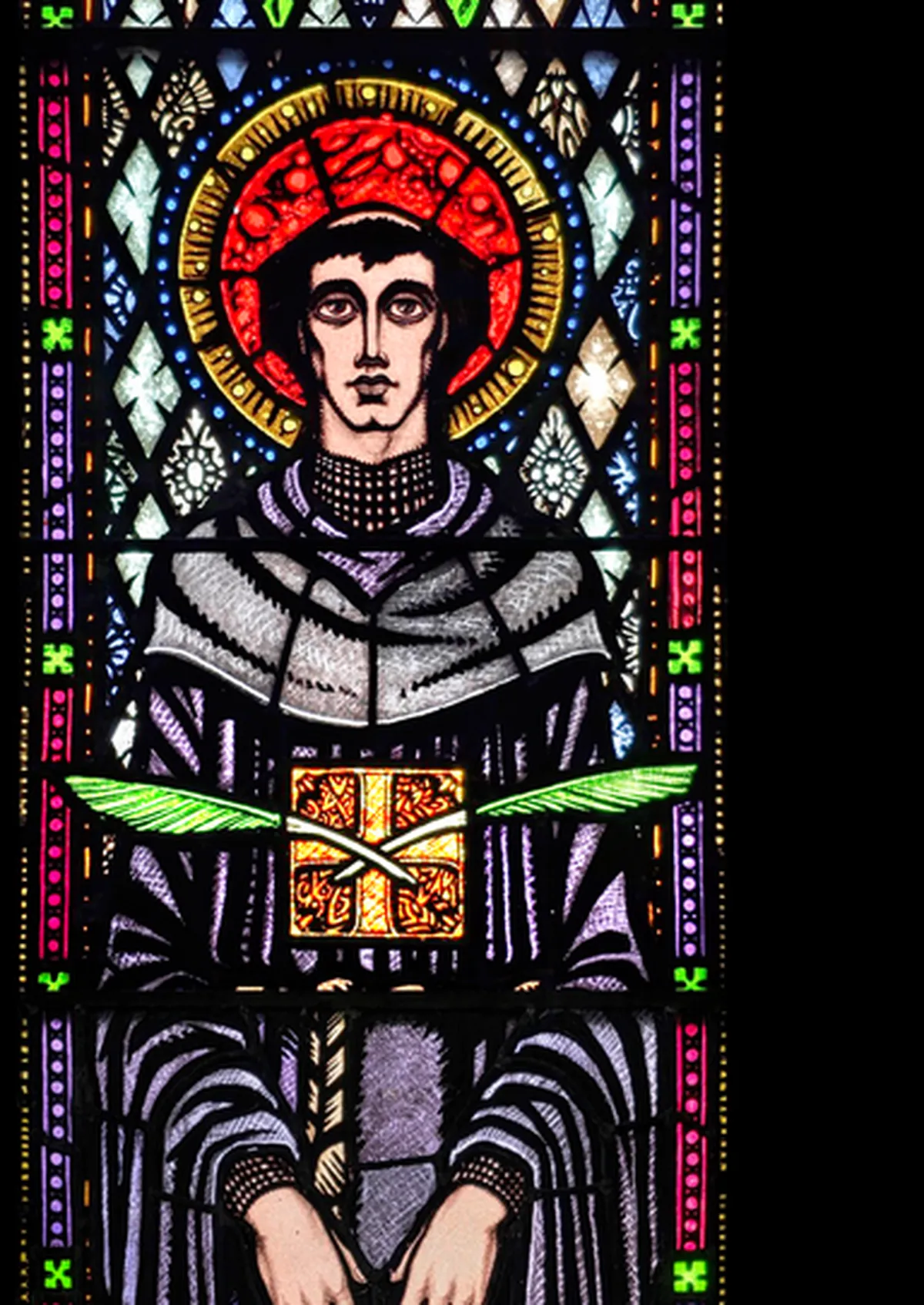
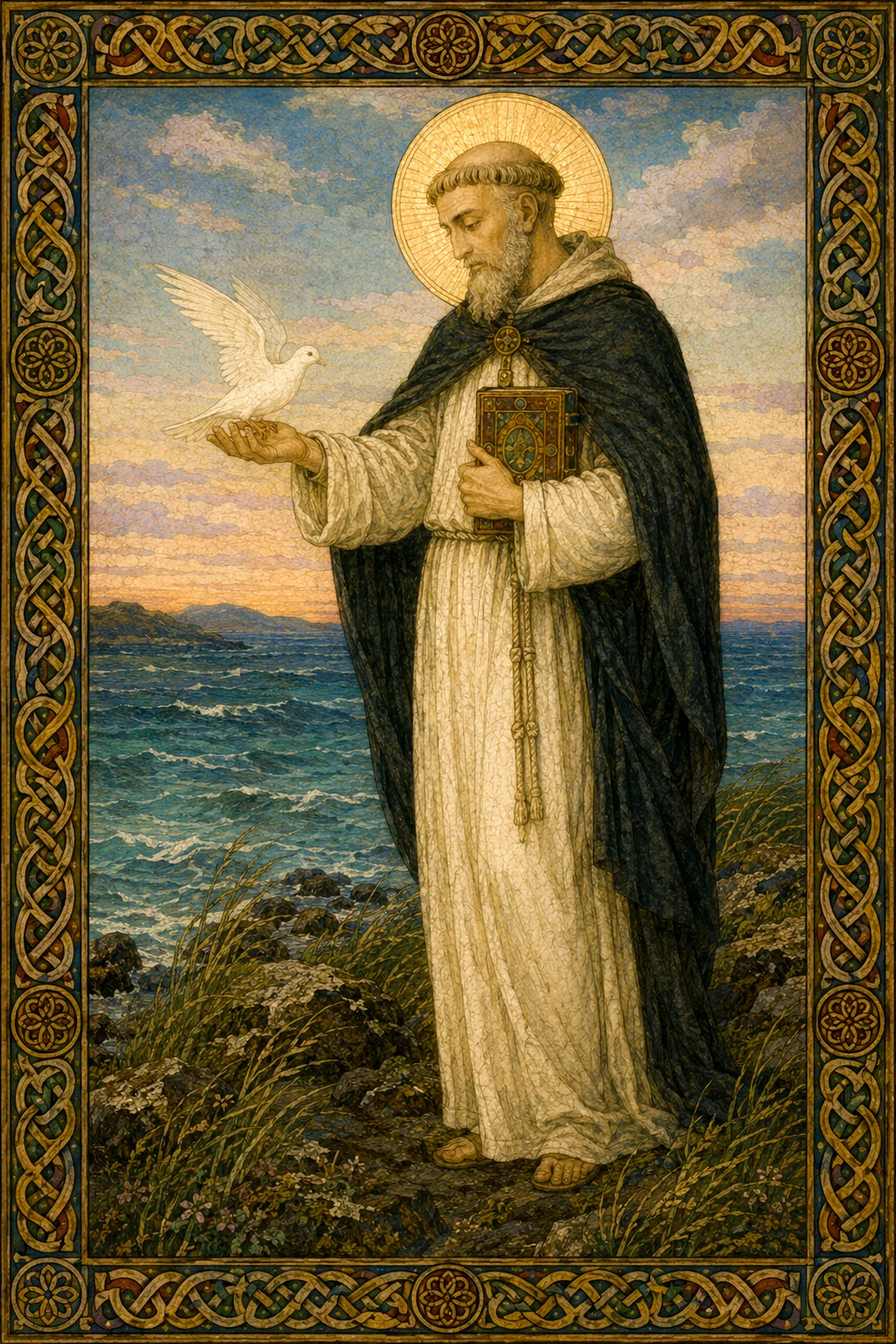
Nothing. There is no medieval image of him worth the name, no panel, no miniature, no continental engraving of the kind Patrick acquired in Antwerp. The Irish monasteries of his own century put their whole visual genius into the decorated page and left the human face almost entirely alone. The face on this page is Harry Clarke’s, made at Ballinrobe in the twentieth century: a young tonsured monk with a red and gold halo, holding a book against his chest. It is the right attribute, and given how he came by his exile, it is the only one that matters. The panel below was made for this article in the same Celtic Revival idiom, and it gives him both of his emblems at once: the jewelled book held against the chest, and the dove that his name means, alighting on the open hand, on the shore of the island he chose. It is a new work rather than a historical one, and it is offered as such.
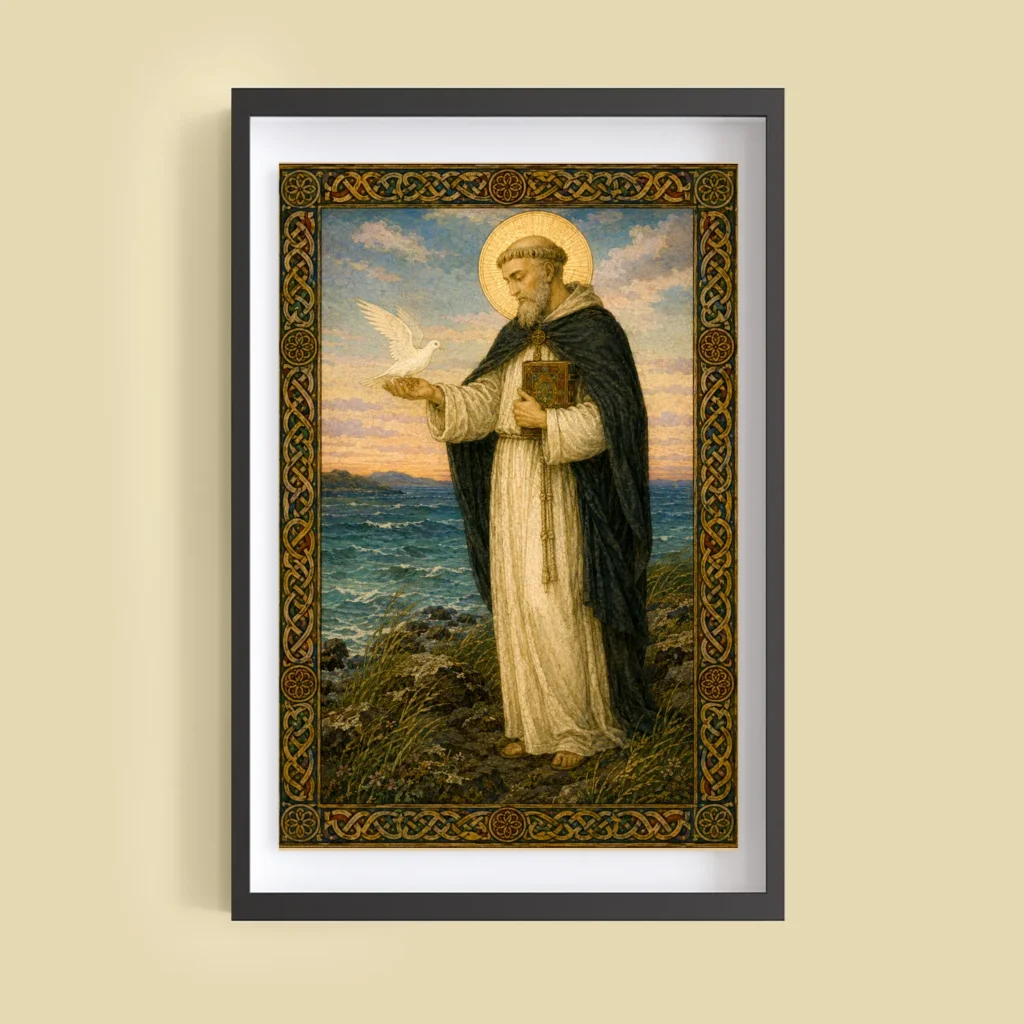
Saint Columba Paintings Featured in This Article
| Work | Artist | Date | Location |
|---|---|---|---|
| Book of Kells, Virgin and Child, folio 7v | Monks of Iona and Kells | around 800 | Trinity College Dublin |
| Book of Kells, carpet page, folio 33r | Monks of Iona and Kells | around 800 | Trinity College Dublin |
| Saint Martin’s Cross | Iona workshop | 8th century | Iona Abbey, Historic Environment Scotland |
| Saint Colmcille, stained glass | Harry Clarke | 20th century | Saint Mary’s Church, Ballinrobe |
Important facts about Saint Columba
- Columba means dove. His Irish name, Colum Cille, means dove of the church. He was baptised Crimthann, which means fox.
- He was royal. A great-grandson of Niall of the Nine Hostages, of the Ui Neill, and eligible in principle for the high kingship.
- The copied psalter produced the first known copyright ruling. To every cow its calf, and to every book its copy.
- He founded Iona in 563 with twelve companions, and never lived in Ireland again.
- The oldest account of a beast in the Ness is in his biography, written around 700 by Adomnan, ninth abbot of Iona. It happens in the river, not the loch.
- He is one of Ireland’s three patron saints with Patrick and Brigid, and the only one of the three whose feast day, 9 June, is not a national holiday.
Columba is one of the twelve gathered in 12 Irish Saints and the Art They Left Behind, and the one whose monks left by far the most behind. The manuscripts they made are the high point of a tradition that ran from Ireland across northern Europe. For what came after it on the continent, see The Great Medieval Painters of Catholic Art, and for the long history of the image that opens folio 7v, Marian Iconography. For a country whose saints had the whole Baroque to paint them, and the contrast could not be sharper, see our 15 Spanish Saints and the Painters Who Gave Them Their Faces.
Frequently asked questions about Saint Columba
Why is Saint Columba famous?
Columba founded the monastery of Iona in 563 and made it the centre from which Christianity spread across Scotland and northern England. He is one of the three patron saints of Ireland, alongside Patrick and Brigid, and a patron saint of Scotland. He is also remembered for the dispute over a copied psalter that led to the battle of Cul Dreimhne, and for the beast in the River Ness that he is said to have turned back with the sign of the cross.
What does Columba mean in English?
Columba is Latin for dove. It is a translation of his Irish name, Colum Cille, meaning dove of the church. He was baptised Crimthann, which means fox, so the change of name marks a change of life. The dove has been his emblem ever since.
Why was Columba exiled from Ireland?
The traditional account is that he copied a psalter belonging to Finnian of Moville without permission, refused to surrender the copy, and lost the case before the high king Diarmait mac Cerbaill, who ruled that to every cow belongs its calf and to every book its copy. His kinsmen fought the battle of Cul Dreimhne over the quarrel in 561 and thousands died. Columba left for Iona in 563, either in penance or under pressure, depending on which source you read. Some historians treat the whole episode as a later legend and see the departure as a straightforward missionary journey.
Did Saint Columba see the Loch Ness monster?
The Life of Columba, written around 700 by Adomnan, contains the oldest known written account of a monster in the waters of the Ness: a beast that had killed a swimmer rose against one of Columba’s monks, and Columba turned it back with the sign of the cross. Two things are worth noting. The episode takes place in the River Ness, not in Loch Ness, and it belongs to a standard type of saint’s miracle in which a holy man commands a wild animal. It was only linked to the modern Loch Ness legend in the 1930s.
What is Saint Columba the patron saint of?
He is a patron saint of Ireland and of Scotland, and is invoked for poets, bookbinders and floods. In Ireland he is one of the three national patrons with Patrick and Brigid. His feast day is 9 June, the day he died on Iona in 597, and it is the only one of the three patronal feasts that is not an Irish public holiday.
Can you buy Saint Columba art?
You can buy Saint Columba art at jesuschrist.pictures, in our shop, as museum quality canvases and posters. Our catalogue covers the works reproduced on this page and the wider world of Christian painting they belong to, printed on demand and shipped worldwide. The shop is organised by subject and by period, and the saints have a section of their own.