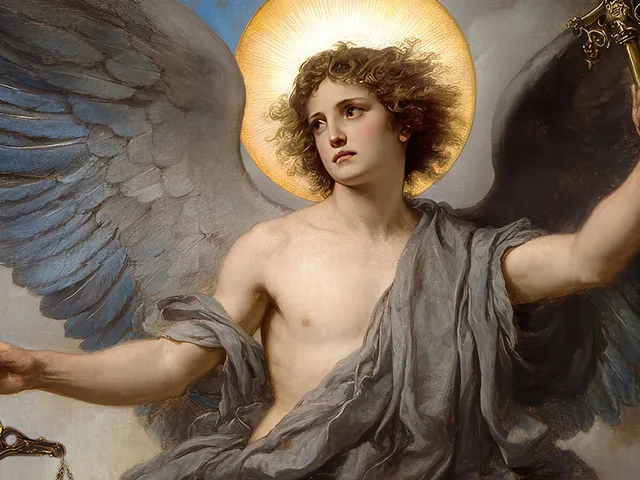
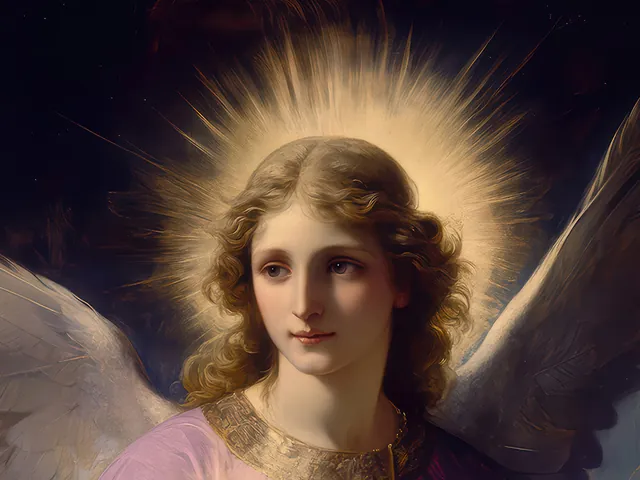
In Catholic tradition, archangels are among the highest-ranking spiritual beings in the celestial hierarchy. Entrusted with profound responsibilities, they serve as messengers, defenders, and agents of God’s divine will. Their appearances in Scripture and Christian tradition highlight pivotal moments in salvation history, and their presence in prayer and liturgy reminds the faithful of Heaven’s active guidance.
Three archangels (Michael, Gabriel, and Raphael) are named in the canonical books of the Bible. However, Church tradition also recognizes Archangel Uriel as one of the seven angels who stand before God (cf. Tobit 12:15, apocryphal texts). Uriel’s name means “Light of God,” and he is honored for his association with divine wisdom, illumination, and spiritual discernment.
Archangel Uriel is part of the broader tradition of angelic theology explored in our Archangels Explained collection, where we examine the missions, symbolism, and spiritual meaning of the heavenly messengers.
Archangels are not only venerated for their heavenly missions but are also called upon by the faithful in times of need. They are regarded as powerful intercessors and protectors, mediating between Heaven and earth.
Archangel
Mission
Michael
Defender of the Church, leader of the heavenly armies
Gabriel
Messenger of the Incarnation and divine communication
Raphael
Healer and guide for travelers and the sick
Uriel
Bearer of divine light and wisdom
While devotion to Uriel is less widespread than to Michael, Gabriel, or Raphael, his role in Catholic theology continues to inspire reflection on God’s gift of enlightenment and the inner light that guides the faithful toward truth.
Many believers search for the spiritual meaning of Archangel Uriel, often called the Angel of Light, when seeking clarity, wisdom, and guidance.
Who Is Archangel Uriel?
Archangel Uriel is traditionally known as the “Light of God,” associated with divine wisdom, spiritual illumination, and moral discernment in Christian theology. Though not named in the canonical Bible, he appears in apocryphal texts and is honored in Catholic devotional tradition.
Listen to the Podcast Episode
Prefer listening? This episode explores the spiritual meaning of Archangel Uriel, his symbolism, and his role as the Angel of Light in Catholic tradition.
The Light of God Revealed
Archangel Uriel, whose name means “Light of God” or “Flame of God,” is venerated in various Christian traditions as the angel of wisdom, divine illumination, and prophetic insight. Though not named in the canonical books of the Bible, Uriel is featured in apocryphal and mystical texts such as the Book of Enoch and the Apocalypse of Ezra, where he is described as one of the principal angels standing before the throne of God. The same chapter of Enoch that names Uriel names his companions in that office, among them Raguel, the angel of justice who keeps order among the ranks, and Remiel, set over those who rise from the dead.
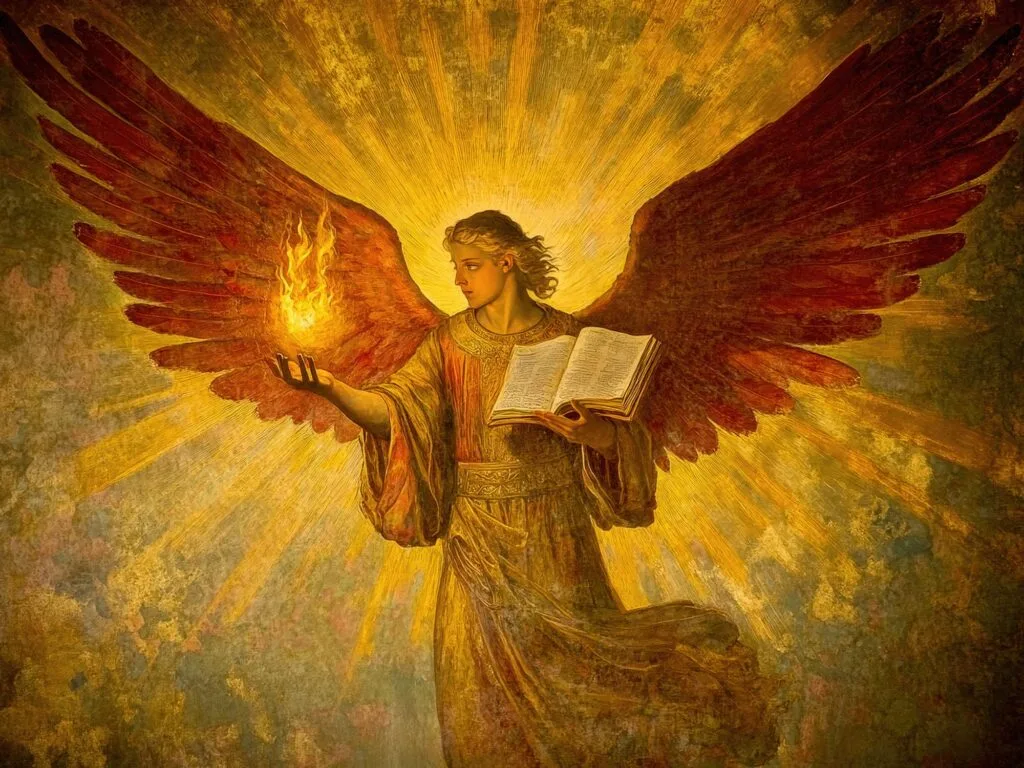
Archangel Uriel, Byzantine style by Heathcliff de ClairvauxSave
In Catholic theology, Uriel is often associated with intellectual clarity, moral discernment, and the light of understanding that comes from the Holy Spirit. He is believed to assist those seeking the truth of God’s will and to strengthen the faithful during times of confusion or temptation.
Uriel’s mission is not one of physical combat or healing, but of illumination : he reveals, inspires, and enlightens. He is often called upon in prayer when clarity is needed in complex decisions or when the soul longs to understand the mysteries of God.
Title
Meaning
Name
Uriel – “Light of God”
Primary Role
Guide to wisdom, spiritual illumination, and divine understanding
Common Devotion
Prayers for discernment and insight
Spiritual Symbol
Flame, scroll, or radiant light
Though not universally invoked in Catholic liturgy, Uriel’s enduring image as a beacon of divine wisdom continues to enrich personal devotion, sacred art, and theological reflection.
Symbolism and Representation of Archangel Uriel
What Are the Main Symbols of Archangel Uriel?
Flame – symbol of divine light and purification
Scroll or Book – divine knowledge and wisdom
Sword – moral discernment
Gold or White Robes – heavenly purity
Symbols Associated with Archangel Uriel
In Catholic tradition and Christian iconography, Archangel Uriel is depicted through powerful symbols that reflect his role as the bearer of divine light and wisdom. These attributes are not arbitrary; they are rooted in theological reflection on Uriel’s identity as a guide to spiritual insight and heavenly knowledge.
Symbol
Spiritual Meaning
Flame or Fire
Represents God’s illuminating truth and the purification of the soul
Scroll or Book
Sign of divine knowledge, sacred Scripture, and prophetic understanding
Sword
Symbol of moral discernment, separating truth from deception
White or Gold Robes
Purity, divine authority, and heavenly wisdom
These symbols appear frequently in sacred art, stained glass, and devotional materials. They are visual invitations to reflect on the divine wisdom that enlightens the faithful, particularly during times of uncertainty or spiritual trial. Uriel is often seen as holding a flame above his head or in his hand—a powerful reminder that light overcomes darkness, and that truth is a gift to be received in humility.
How Uriel Appears in Sacred Art
Although Uriel does not appear by name in canonical Scripture, he is present in many works of Christian art, especially in traditions influenced by Eastern Christianity and Renaissance interpretations. He is typically portrayed as a majestic, serene figure whose bearing expresses calm authority and deep intelligence.
Uriel’s gaze is often directed upward or outward, conveying his role as one who both contemplates divine mysteries and shares them with others. In iconography, he may carry a scroll inscribed with words of truth, or a small flame symbolizing the fire of divine illumination.
Artists have used Uriel’s likeness to symbolize the presence of divine enlightenment in scenes of annunciation, judgment, or teaching. His depiction serves as an encouragement to the faithful to seek God’s light in prayer, Scripture, and sacramental life.
Archangel Uriel in Catholic Tradition
Attributes and Characteristics
Archangel Uriel is most commonly identified with the virtue of wisdom. In Catholic devotion, he is regarded as an angelic guide who helps souls understand God’s will and grow in knowledge of the truth. Uriel’s presence is often described as peaceful, steady, and clarifying, a contrast to the turmoil that may exist in one’s heart or mind.
Characteristic
Description
Flame of God
Symbol of divine truth that burns away ignorance and error
Spiritual Guide
Assists the faithful in understanding Scripture and making moral choices
Silent Strength
Known for illuminating rather than overpowering; his guidance is gentle but firm
While Uriel is not officially named in the Roman Catholic liturgical calendar, devotion to him exists in many private and traditional circles. He is invoked especially by those seeking to grow in wisdom, overcome confusion, or prepare for difficult spiritual decisions.
Theological Significance
Though Uriel is not mentioned by name in the canonical Bible, he appears in several apocryphal and early Christian texts, including 2 Esdras (4 Ezra) and the Book of Enoch. In these writings, he plays the role of an interpreter of visions and a bearer of divine justice.
Within Catholic theological reflection, Uriel’s significance lies in his association with divine illumination, both intellectually and morally. He represents the “light of understanding” referenced in many biblical passages, and his mission mirrors the work of the Holy Spirit in the hearts of the faithful.
Role
Theological Meaning
Revealer of Truth
Guides the soul to recognize what is right in God’s eyes
Interpreter of Mystery
Assists in the deeper understanding of Scripture and faith
Companion of Conscience
Stirs the heart to choose virtue and avoid deception
Uriel invites the faithful to walk in the light of God, reminding us that the journey of faith is not one of blind obedience, but of enlightened love. His presence in Catholic thought encourages reflection, study, and prayerful attentiveness to the will of God.
Archangel Uriel’s Responsibilities
Guide and Bearer of Divine Wisdom
Among the many angelic figures venerated in Catholic tradition, Archangel Uriel is especially known as the angel of spiritual insight. He is believed to help the faithful discern the will of God by bringing clarity to complex situations, deepening their understanding of Scripture, and shedding light on the path of righteousness.
Uriel is often called upon during times of confusion or uncertainty, when important decisions need to be made, or when the soul seeks the truth amidst competing voices. His presence is not dramatic or overpowering, but quiet and enlightening, like a flame that gently dispels darkness.
Responsibility
Description
Discernment
Assists in making choices aligned with God’s will
Understanding
Inspires deeper comprehension of Scripture and theology
Intellectual Clarity
Supports moral reasoning and clarity in times of doubt
In this way, Uriel’s role complements that of the Holy Spirit, who also illuminates the mind and heart of the believer. Many Catholics pray to Uriel when seeking wisdom in family matters, vocation, or spiritual challenges.
Protector and Intercessor
Though primarily associated with wisdom, Archangel Uriel is also honored as a protector. His light not only reveals the truth but guards against deception, temptation, and spiritual confusion. Just as light protects by making the unseen visible, Uriel is seen as an angel who keeps watch over the soul, especially in its interior battles.
Additionally, Uriel is considered an intercessor, a heavenly advocate who carries the prayers of the faithful before God. In this capacity, he strengthens the spiritual life by providing quiet consolation and encouraging a deeper trust in divine providence.
Role
Spiritual Support
Protector of the Conscience
Shields the soul from confusion, doubt, and temptation
Intercessor in Prayer
Brings the faithful’s intentions before the throne of God
Guardian of Moral Clarity
Illuminates the right path when faced with ethical dilemmas
Through his gentle guardianship and illuminating presence, Uriel helps the faithful stay spiritually alert and anchored in God’s truth.
Devotional Practices and Prayers
Praying to Archangel Uriel
While devotion to Archangel Uriel is less widespread than that of Michael, Gabriel, or Raphael, many Catholics still turn to him in private prayer, especially when seeking wisdom, peace, and discernment. These prayers are acts of trust, asking for light in times of darkness, and for strength in remaining faithful to truth.
Prayer
Purpose
Prayer for Guidance
Asks Uriel to shine light on difficult decisions
Prayer for Clarity
Seeks insight and understanding during confusion
Prayer for Protection
Calls for help in resisting temptation and spiritual deception
These prayers can be said daily or during specific novenas, often accompanied by the lighting of a white or gold candle to symbolize Uriel’s presence.
You will find the full Archangel Uriel prayer on its own page, with prayers for students, for decisions and for hard times, and a free printable prayer card.
Ways to Deepen Devotion
In addition to prayer, many Catholics adopt simple practices to remain spiritually connected to Archangel Uriel. These devotions help open the heart to receive divine light and wisdom in everyday life.
Devotional Practice
Description
Lighting a Candle
A white or golden candle represents Uriel’s divine light
Meditation with Scripture
Reading and reflecting on passages of wisdom, inviting Uriel’s guidance
Creating a Prayer Space
A small altar with an image of Uriel, a candle, and Scripture to encourage daily reflection
Offering Intercessions
Praying to Uriel on behalf of others seeking wisdom or healing
These humble acts of devotion invite the presence of God’s light into our lives through the ministry of one of His most illuminating angels.
Archangel Uriel has been represented in many works of Christian art, though often less overtly than Michael or Gabriel. One of the most remarkable examples is found in Leonardo da Vinci’s masterpiece, Vergine delle Rocce (The Virgin of the Rocks), painted between 1483 and 1486. This famous altarpiece exists in two versions : one housed at the Louvre in Paris and the other at the National Gallery in London.
In the Louvre version, the angel seated beside the infant John the Baptist and pointing toward him is traditionally identified by some art historians as Uriel. While not explicitly named in Scripture, this identification stems from Uriel’s symbolic role as one who brings enlightenment and intercedes for humanity.
Save
Vergine delle Rocce by Leonardo da Vinci – Louvre, Paris
The painting is rich with spiritual symbolism. Uriel’s serene yet commanding posture reflects his role as protector and guide. His gesture toward Saint John the Baptist signifies divine direction, while the otherworldly landscape, soft light, and use of chiaroscuro evoke the mystery of divine presence.
While the identification of Uriel in this work remains interpretative, the artistic tradition of associating him with illumination, wisdom, and protection continues to enrich Catholic visual theology.
A Visual Summary of Archangel Uriel
The mind map below summarizes the main theological, symbolic, and devotional elements related to Archangel Uriel discussed throughout this article (click to enlarge).
Conclusion
Though lesser known than Michael, Gabriel, or Raphael, Archangel Uriel holds a meaningful place in Catholic spirituality as the bearer of divine light and guardian of wisdom. His name – “Light of God” – encapsulates his mission: to bring clarity where there is confusion, to guide the conscience, and to lead souls toward deeper understanding of God’s truth.
Uriel’s presence in apocryphal literature, sacred art, and private devotion invites Catholics to reflect on the importance of spiritual discernment and intellectual formation. He is a companion for those in search of answers, a protector in times of moral struggle, and a symbol of hope for all seeking the light of Christ.
In honoring Uriel, we are reminded that God does not leave us to navigate the complexities of life alone. He sends His angels (even those unnamed in Scripture) to walk with us in silence, with wisdom, and in divine light.
✦ Free Christian & Catholic Printables
Illuminated prayer cards and Scripture verses, the Memorare, Psalm 23, Psalm 91 and more, already free to print with no email needed. Join and I will send you the complete set in every format, US Letter, A4 and pocket size, and each new card by email first, thirty days before it reaches the public library.
Thank you, check your inbox.
Your printables pack is on its way. If you do not see it, peek in spam or the Promotions tab.
That address did not go through. Check it and try again.
Archangel Uriel represents divine light, wisdom, and moral clarity. In Christian tradition, he is seen as the angel who illuminates the conscience, helps discern God’s will, and guides souls toward truth during moments of confusion or doubt.
Is Archangel Uriel mentioned in the Bible?
Uriel does not appear by name in the canonical books of the Bible but is mentioned in apocryphal texts such as 2 Esdras and the Book of Enoch, which influenced early Christian and Jewish tradition.
What does the name Uriel mean?
Uriel means “Light of God” or “Fire of God.” It reflects his mission to bring divine illumination and spiritual wisdom.
What is Archangel Uriel known for in Catholic tradition?
Uriel is revered as the angel of wisdom, discernment, and conscience. He guides the faithful in understanding truth and making morally sound decisions.
Can Catholics pray to Archangel Uriel?
Yes. While not included in the official liturgical calendar, private devotion to Uriel is common, especially in prayers for clarity, guidance, and protection.
What are the symbols of Archangel Uriel?
Uriel is often represented with a flame, scroll, sword, or book, each reflecting light, wisdom, and divine truth.
Where can I buy an Archangel Uriel poster or canvas print?

 Save
Save