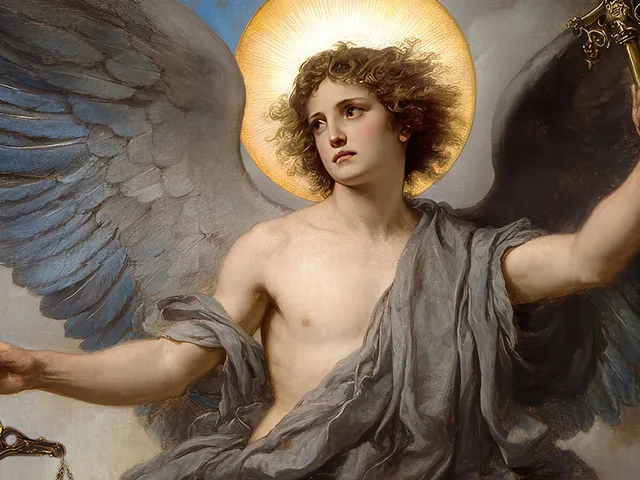
Who are the Archangels and Their Sacred Mission ?
Who Are the Archangels and Their Sacred Mission?
Archangels are high-ranking angels in the Bible sent by God to deliver divine messages, defend the faithful, and carry out decisive missions in salvation history. In Catholic tradition, three archangels are named in Scripture: Michael, Gabriel, and Raphael.
Heavenly Messengers of God’s Will
Archangels are among the most exalted of God’s heavenly servants. In Catholic tradition, they are recognized as powerful spiritual beings who carry out divine missions on behalf of God. Their name and role reflect their place in the angelic hierarchy as messengers, protectors, and guides—entrusted with tasks that influence the course of salvation history. Unlike guardian angels, who are assigned to individuals, archangels serve greater purposes. They are instruments of God’s will, delivering prophetic messages, announcing divine interventions, healing the afflicted, and defending the faithful against the forces of evil. Throughout Scripture, tradition, and sacred art, archangels appear as signs of God’s closeness and care for His people. The Catholic Church officially names three archangels in the canon of Scripture: Michael, Gabriel, and Raphael. Other angelic figures, such as Uriel, are venerated in tradition and apocryphal texts. Together, these angels remind the faithful of Heaven’s watchful presence. This article will explore the meaning of the word “archangel,” the distinct roles of each named archangel, and their continued significance in Catholic devotion, art, and prayer.
The Archangels, Their Roles and Their Symbols
| Archangel | Main Role | Biblical Source | Symbol |
|---|---|---|---|
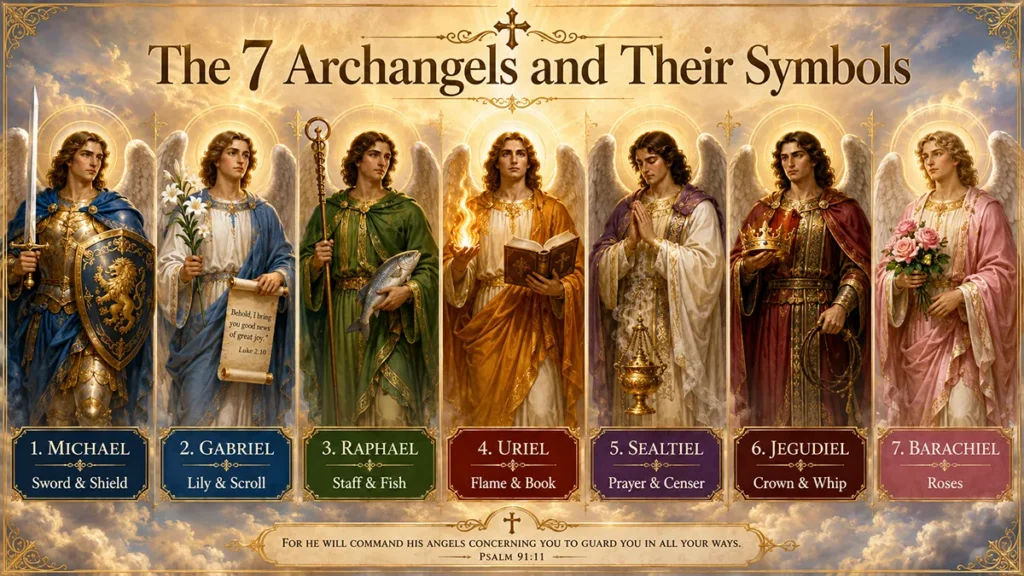
| Michael | Defender against evil | Daniel, Revelation | Sword, armor |
| Gabriel | Messenger of God | Daniel, Luke | Lily, scroll |
| Raphael | Healer and guide | Book of Tobit | Fish, staff |
Listen to the Podcast Episode
Prefer listening? This episode explores the sacred mission of the Archangels — Michael, Gabriel, and Raphael — their biblical roles, symbolism, and significance in Catholic tradition.The Meaning of the Word “Archangel”
The word archangel is derived from the Greek term archangelos, which combines archi- (chief or ruler) and angelos (messenger). Thus, an archangel is literally a “chief messenger” (a spiritual being of high rank), chosen by God to carry out critical tasks that impact humanity and the Church. The Church Fathers and traditional theologians have described nine choirs of angels, with archangels positioned in the lower triad, yet carrying some of the most profound and visible missions in the salvation narrative. They often appear during major events in Scripture, delivering messages to prophets, announcing the Incarnation, guiding the faithful, and defeating demonic powers. Archangels vs. Guardian Angels: While guardian angels are assigned to each person for personal protection and guidance, archangels are given broader responsibilities. They appear on behalf of God to deliver key messages, lead angelic armies, or minister healing to God’s people.
Key Characteristics of Archangels
- Messengers of Revelation: Archangels often bear divine messages of great consequence, such as Gabriel’s Annunciation to Mary (Luke 1:26-38).
- Defenders of the Faithful: Michael is depicted as the leader of God’s armies, defending the Church from evil (Revelation 12:7-9).
- Healers and Guides: Raphael restores Tobit’s sight and protects Tobias on his journey (Tobit 3-12).
- Symbols of Divine Virtue: Each archangel represents a particular attribute of God : strength, mercy, wisdom, light, or healing.
Understanding the meaning of the word “archangel” allows us to better appreciate their sacred mission: to serve God, to protect His people, and to reflect the majesty of Heaven.
The Three Archangels of the Bible
1. Saint Michael : The Defender of Heaven
Among the archangels, Saint Michael holds a preeminent place as the leader of the heavenly armies. His name means “Who is like God?”, a battle cry against pride and a declaration of God’s supreme authority. Michael appears in the Book of Daniel (Daniel 10:13, 12:1), in the Letter of Jude (Jude 1:9), and in the Book of Revelation (Revelation 12:7-9), where he leads the angels in battle against the dragon, symbolizing Satan.
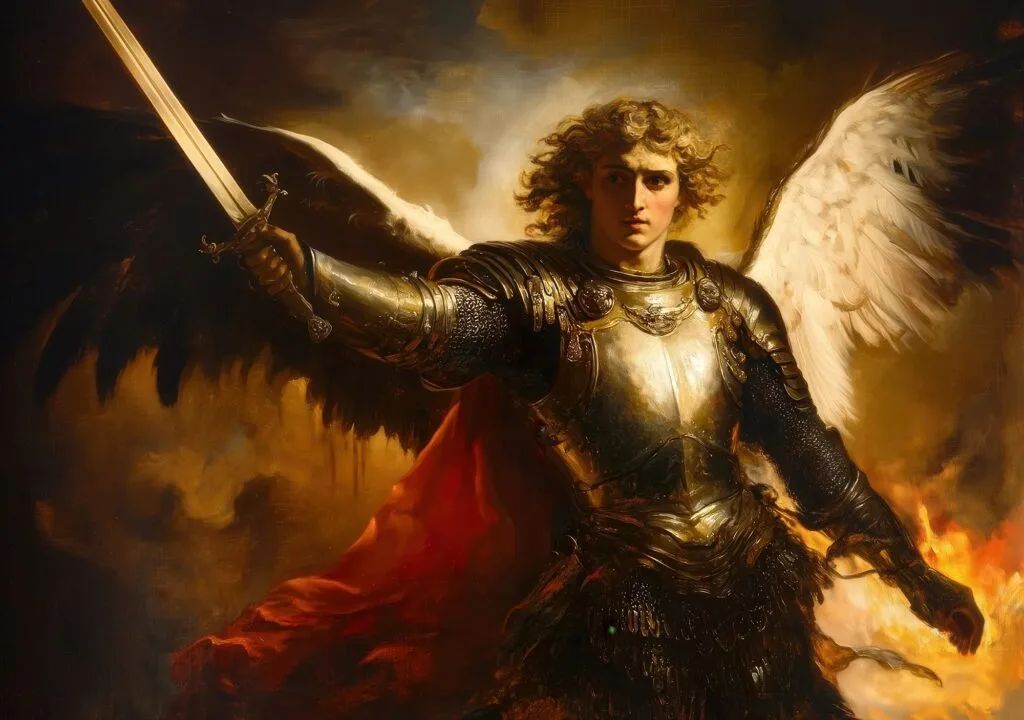

Michael is venerated as the protector of the Church, the defender of the faithful against spiritual attacks, and the guide of souls at the hour of death.
- Associated with: Protection, justice, spiritual warfare
- Symbols: Sword, scales, armor
- Feast Day: September 29 (shared with Gabriel and Raphael)
To explore Michael’s role in greater depth, see our complete study of Saint Michael, Defender of Heaven.
2. Saint Gabriel : The Herald of the Incarnation
Saint Gabriel is the angel of divine messages, best known for his role in the Annunciation to the Virgin Mary: “Hail, full of grace” (Luke 1:26–38). Gabriel also appeared to the prophet Daniel (Daniel 8–9) and, according to tradition, announced the birth of John the Baptist to Zechariah (Luke 1:11–20).
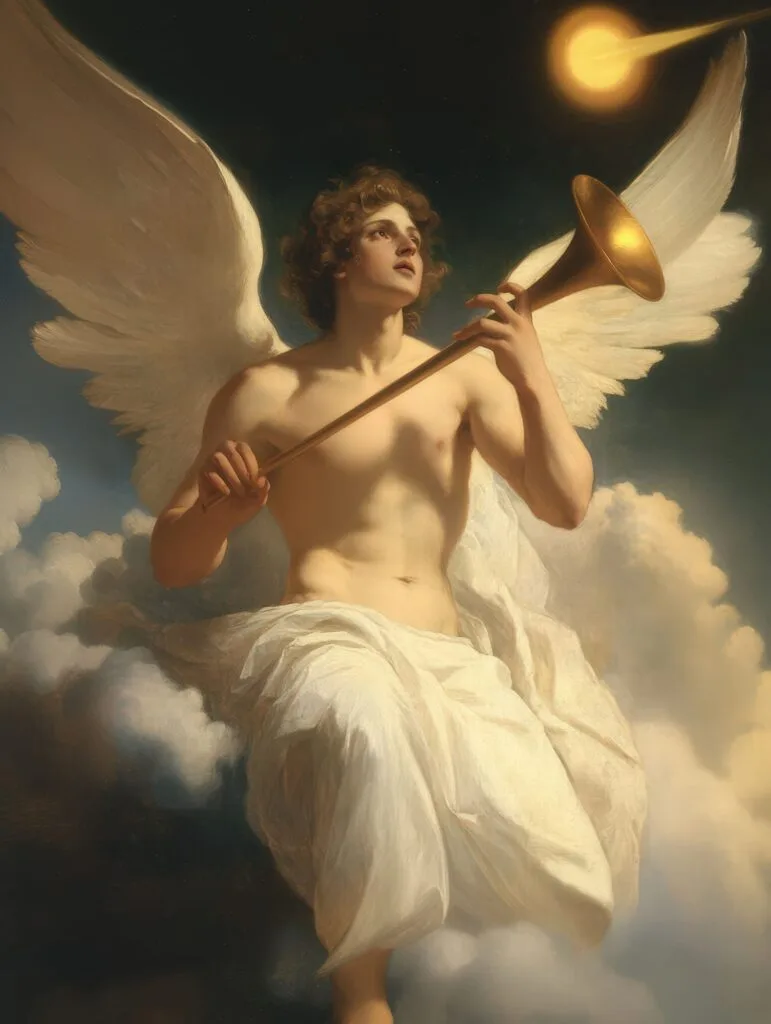

His name means “God is my strength,” and he is honored as the messenger of God’s greatest mysteries, especially the Incarnation of Christ.
- Associated with: Revelation, communication, clarity
- Symbols: Lily, trumpet, scroll
- Feast Day: September 29
To better understand Gabriel’s role in the Annunciation and his mission as the divine herald, read our in-depth article on Saint Gabriel, Herald of the Incarnation.
3. Saint Raphael : The Angel of Healing and Companionship
The third archangel named in Scripture is Saint Raphael, who appears in the Book of Tobit. Disguised as a traveling companion, Raphael aids Tobias on a journey, drives away evil, and heals Tobit’s blindness. At the end of the account, he reveals himself as “one of the seven angels who stand and serve before the glory of the Lord” (Tobit 12:15).
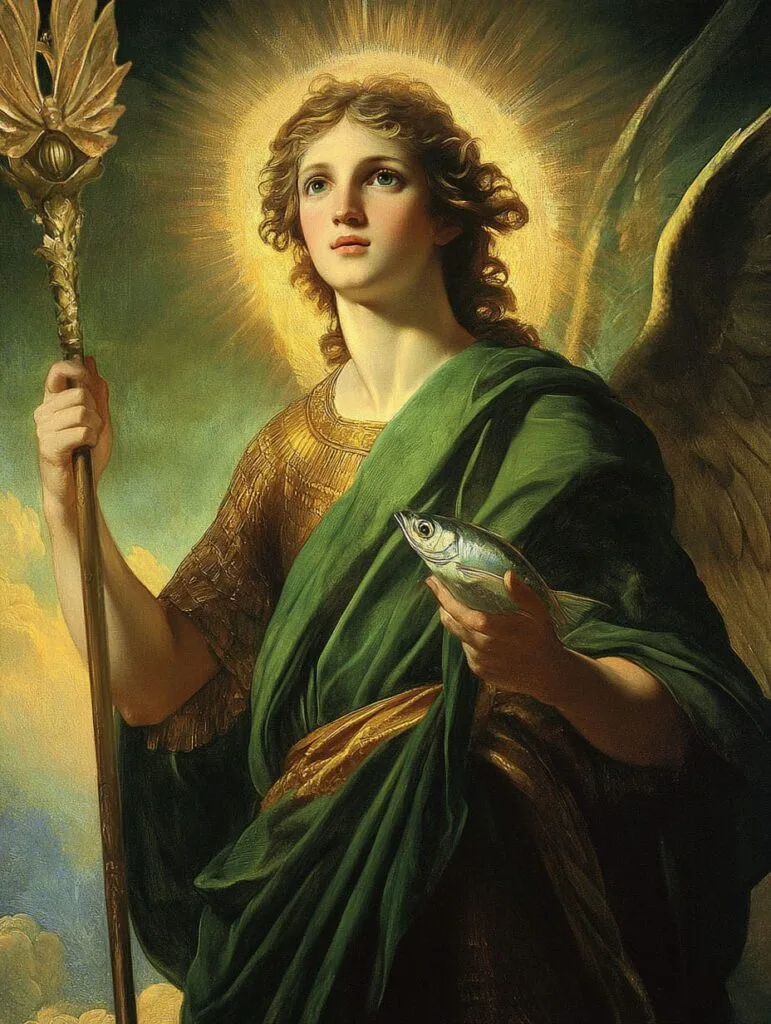

His name means “God heals,” and he is honored as the heavenly physician and guide for travelers.
- Associated with: Healing, protection during travel, divine guidance
- Symbols: Fish, staff, green light
- Feast Day: September 29
For a deeper reflection on Raphael’s healing ministry and his story in the Book of Tobit, explore our detailed guide to Saint Raphael, the Angel of Healing.
Other Traditional Archangels in Catholic and Apocryphal Texts
While only Michael, Gabriel, and Raphael are named in the canonical books of the Catholic Bible, Church tradition, apocryphal literature, and Christian devotion have long recognized additional archangels, especially in the context of the “seven angels who stand before God” (Tobit 12:15; Revelation 8:2).
4. Uriel : The Light of God
Uriel means “Light of God” and is mentioned in apocryphal texts such as 2 Esdras and the Book of Enoch. He is honored as the archangel of wisdom, divine illumination, and moral discernment.
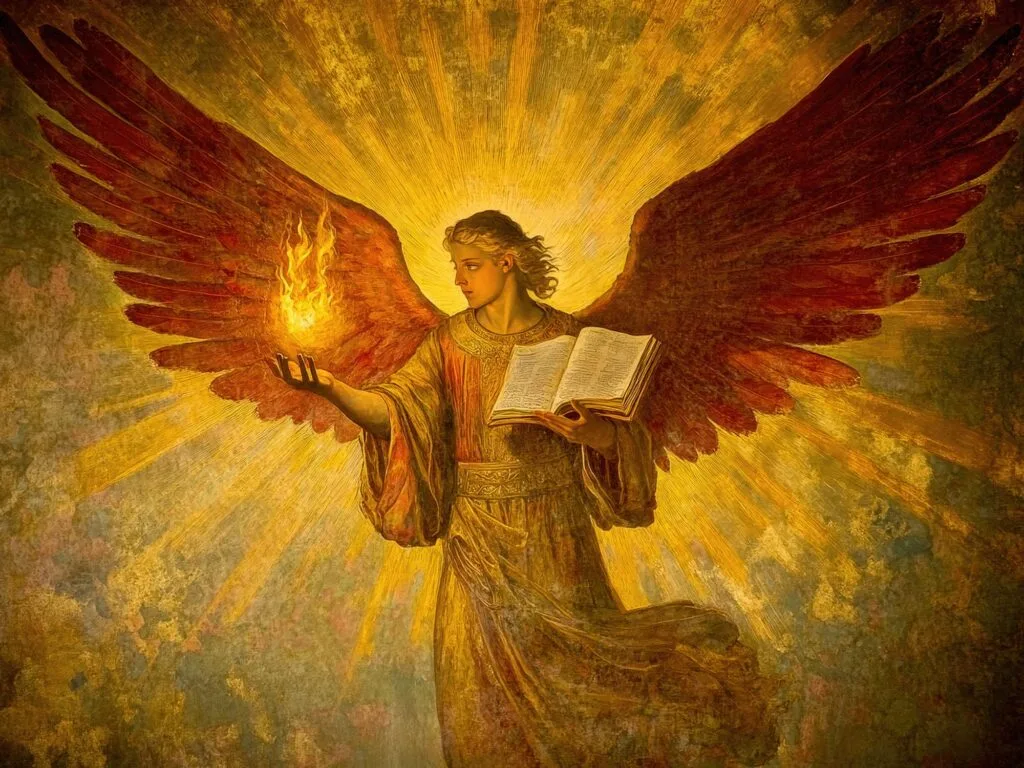

- Associated with: Wisdom, insight, clarity of conscience
- Symbols: Flame, scroll, golden light
To discover more about Uriel’s place in tradition and his symbolism as the Light of God, consult our theological overview of Archangel Uriel in Catholic Tradition.
Other Devotionally Recognized Archangels
In various Christian traditions, particularly in private devotion and certain Eastern rites, the following archangels are also named:
- Chamuel – “He who sees God.” Associated with love, compassion, and peace.
- Jophiel – “Beauty of God.” Linked with inspiration, clarity, and uplifting thoughts.
- Zadkiel – “Righteousness of God.” Associated with mercy, forgiveness, and emotional healing.
It is important to note that these names are not part of official Catholic liturgy and are not included in the Roman Martyrology. However, they reflect devotional practices that seek to explore the richness of God’s angelic messengers.
Archangels Across Religious Traditions
Archangels are most prominently recognized in Christianity, but they also appear in the sacred writings and traditions of Judaism and Islam. While interpretations differ, their shared presence underscores the universal desire for divine guidance and heavenly messengers.
Christianity
In Catholic and Orthodox Christianity, Michael, Gabriel, and Raphael are the only archangels officially recognized by name in the canon of Scripture. Their feast day is celebrated together on September 29. The Catholic Church honors them through liturgy, sacred art, and private devotion, acknowledging their roles as protectors, healers, and messengers.
Judaism
Jewish tradition includes references to several archangels in the Talmud and apocryphal texts, especially in the Book of Enoch. These writings speak of seven angels who stand before God. Alongside Michael, Gabriel, Raphael, and Uriel, names like Raguel, Remiel, and Sariel are mentioned.
Islam
In Islamic theology, angels (malāʾika) are essential to God’s divine order. Jibril (Gabriel) is the angel who revealed the Qur’an to the Prophet Muhammad, and Mīkāʾīl (Michael) is associated with nature and sustenance. Angels in Islam are entirely obedient to God, without free will, and play crucial roles in human affairs.
Contemporary Spirituality
In modern Christian-inspired spirituality, some believers include devotion to additional archangels such as Chamuel or Zadkiel. While not part of official doctrine, this practice reflects a continued desire for intercession, healing, and moral clarity through angelic companionship. Regardless of tradition, archangels consistently represent the closeness of the divine, sent to illuminate, defend, and comfort the human soul.
Discernment and the Presence of Archangels
The Catholic Church does not define specific physical “signs” of angelic presence. However, throughout Christian tradition, believers have testified to moments of consolation, clarity, or protection that they interpret as divine assistance through the ministry of the angels. Such experiences should always be approached with prudence, humility, and spiritual discernment. Rather than seeking extraordinary manifestations, the faithful are encouraged to recognize the ordinary ways in which God acts through His heavenly messengers — especially through peace, guidance, and strengthened faith.
Ways the Faithful Perceive Angelic Assistance
- Interior Peace in Moments of Trial: A sudden and deep sense of calm during distress, which draws the soul closer to trust in God.
- Clarity in Discernment: A renewed understanding or confidence when making an important spiritual or moral decision.
- Protection in Danger: Unexpected preservation from harm that inspires gratitude and prayer.
- Strengthened Faith: A renewed desire for prayer, repentance, or spiritual commitment following a difficult period.
Authentic devotion to the archangels always remains centered on Christ. The angels do not act independently but serve as instruments of God’s will. As Scripture reminds us:
“He will command His angels concerning you, to guard you in all your ways.” (Psalm 91:11)
True angelic devotion therefore leads not to fascination with signs, but to deeper trust in divine providence and greater fidelity to the Gospel.
How to Pray and Connect with the Archangels
Prayer as the Foundation of Angelic Devotion
In Catholic tradition, prayer is the most appropriate and effective way to connect with the holy angels, including the archangels. These heavenly beings do not act of their own will but serve as obedient messengers and ministers of God. Therefore, when we call upon the archangels, we are ultimately seeking God’s help through His appointed servants. Each of the three archangels named in Scripture has specific prayers and devotions associated with them:
- To Saint Michael: The Prayer to Saint Michael the Archangel, composed by Pope Leo XIII, is often prayed for protection against evil.
- To Saint Gabriel: Invoked for clarity and strength in proclaiming the truth or receiving divine inspiration.
- To Saint Raphael: Prayed to for healing, safe travel, and comfort during sickness.
Prayers to Each Archangel
Each archangel has a dedicated prayer page with the full prayer and a free printable prayer card: the St. Michael the Archangel prayer for protection, the St. Gabriel the Archangel prayer for God’s messages, the St. Raphael the Archangel prayer for healing and travelers, and the Archangel Uriel prayer for wisdom and light. Before the feast of Saints Michael, Gabriel and Raphael on September 29, many Catholics also pray the nine-day St. Michael novena.
Spiritual Practices to Foster Angelic Devotion
Beyond vocal prayer, Catholics can incorporate devotional acts that foster attentiveness to the archangels’ spiritual mission:
| Practice | Description |
|---|---|
| Lighting Candles | Using colored candles (blue for Michael, white for Gabriel, green for Raphael) during prayer as a visual aid to focus intention. |
| Scripture Meditation | Reflecting on biblical passages where archangels appear, such as Daniel 10, Luke 1, or Tobit 12. |
| Sacred Art and Icons | Placing an image of an archangel in one’s prayer space to encourage recollection and reflection. |
| Novenas and Litanies | Praying nine-day novenas or litanies dedicated to one or more archangels for specific intentions. |
These practices are meant to deepen one’s union with God, aided by the holy angels He has sent as companions and protectors. All angelic devotion must remain Christ-centered, always seeking to glorify God alone.
Archangels in Christian Art and Masterpieces
Throughout the history of the Church, archangels have been central figures in sacred art, symbolizing divine strength, purity, and protection. From the grand frescoes of the Renaissance to stained glass windows in village chapels, the visual presence of archangels has long inspired reverence and awe.
1. Michelangelo – The Last Judgment
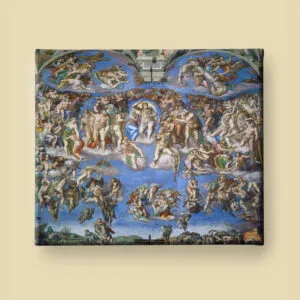
In the Sistine Chapel, Michelangelo’s The Last Judgment powerfully depicts Saint Michael at the center, weighing souls and casting down the damned. Clothed in armor, he embodies God’s justice and the triumph of good over evil.  Save
Save
The Last Judgment by Michelangelo – Sistine Chapel, Vatican
2. Leonardo da Vinci – The Annunciation
Leonardo’s Annunciation captures the moment of Gabriel’s message to Mary. The angel, kneeling in serene humility, is portrayed with wings, flowing garments, and a lily :symbol of purity and divine grace.  Save
Save
Annunciation by Leonardo da Vinci – Uffizi Gallery, Florence

3. Icons, Statues, and Modern Devotional Art
In Catholic and Orthodox iconography, archangels are often distinguished by color, posture, and sacred attributes:
- Michael: Often shown with sword or scales, trampling the dragon
- Gabriel: Bearing a lily or scroll, announcing the Incarnation
- Raphael: Holding a fish or guiding a young traveler (Tobias)
These images continue to inspire prayer, reflection, and trust in the ministry of the angels who remain ever close to the Church.
Conclusion
The archangels are not distant or abstract figures of myth, they are real servants of God, deeply involved in the salvation of souls and the defense of the Church. As messengers, protectors, healers, and guides, they appear at decisive moments in Scripture and continue to be powerful intercessors in the lives of the faithful today. Saint Michael, Saint Gabriel, and Saint Raphael are named in sacred Scripture and honored in the Church’s liturgical calendar. Other angelic figures such as Uriel, while not canonically recognized, appear in devotional literature and have inspired generations of Christian art and prayer. To learn about the archangels is to draw closer to the mystery of God’s providence. Through prayer, sacred imagery, and reflection on their biblical missions, we are reminded that God sends His holy messengers to guard, guide, and inspire us as we walk the path of faith.
✦ Free Christian & Catholic Printables
Devoted to the archangels? Print their prayer cards at home — St Michael, St Gabriel, St Raphael and Uriel, plus the St Michael novena — free, in illuminated style, ready to print in one place.
Browse all free printables →Paintings Referenced in the Article
| Title | Artist | Date | Medium | Museum |
|---|---|---|---|---|
| The Last Judgment | Michelangelo | 1536–1541 | Fresco | Sistine Chapel, Vatican |
| Annunciation | Leonardo da Vinci | c. 1472–1475 | Oil and tempera on panel | Uffizi Gallery, Florence |
Frequently Asked Questions
Which archangels are officially recognized by the Catholic Church?
Saint Michael, Saint Gabriel, and Saint Raphael are the three archangels named in the Catholic Bible and honored with a shared feast on September 29.
What is the role of an archangel?
Archangels are high-ranking angels in Catholic theology who serve as God’s chief messengers. They defend the faithful, deliver divine revelation, and carry out missions of protection, healing, and justice.
What is the difference between a guardian angel and an archangel?
Guardian angels are assigned to individuals for personal protection and guidance. Archangels have broader missions involving divine announcements, protection of nations, or special interventions in salvation history.
Can Catholics pray to archangels?
Yes. Catholics often pray to Saint Michael for protection, to Saint Gabriel for divine guidance, and to Saint Raphael for healing and safe travel.
Are Uriel, Chamuel, Jophiel, and Zadkiel recognized by the Church?
These names come from apocryphal or devotional traditions and are not officially recognized in the Roman Catholic liturgy, but they appear in some private devotions.
Where can I buy archangel paintings or prayer posters?
You can buy archangel art at jesuschrist.pictures: our shop offers canvas reproductions of the great angel paintings and a prayer poster for each archangel, printed on premium matte paper.