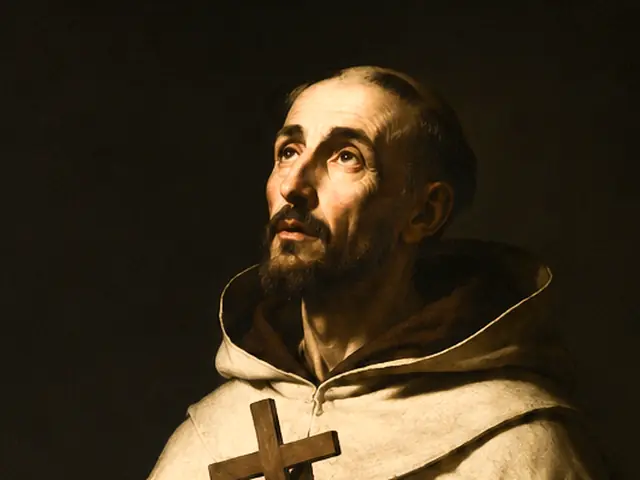
10 Famous Baptism of Christ Paintings in the History of Christian Art
Introduction
The Baptism of Christ holds a foundational place in Christian art. In the Gospel accounts, this moment marks the beginning of Jesus’s public ministry and reveals the mystery of the Trinity: the Son standing in the waters of the Jordan, the Holy Spirit descending as a dove, and the Father’s voice affirming Christ’s identity. For painters, the subject is not only a narrative scene. It is also a theological image that unites humility, revelation, and sacrament.
From the Middle Ages onward, artists returned to the Baptism again and again because it offered a stable iconographic structure and immense expressive freedom. The Jordan could become a symbolic boundary between the old and the new covenant. The descending dove could be rendered as light, motion, or quiet presence. Angels might appear as witnesses who hold Christ’s garments, emphasizing reverence and liturgical solemnity. Across centuries, painters used the same episode to explore the human body, landscape, atmosphere, and the relationship between heaven and earth, each period shaping the scene according to its own spiritual and artistic ideals.
This article presents ten famous Baptism of Christ paintings, selected for their historical importance, artistic quality, and lasting influence. Before beginning the numbered selection, it helps to pause briefly on an earlier work that shaped the visual language of the theme. It is not included in the count, but it provides a clear starting point for understanding what later masters inherited and transformed.
For readers who wish to contemplate these masterpieces more closely, selected high-quality canvas reproductions are referenced alongside the artworks, offering a way to engage with them beyond the museum context.
Giotto and the Birth of the Baptism Iconography (Prologue)

The Baptism of Christ by Giotto is a decisive milestone in the development of Western Christian imagery. Painted as a fresco around 1305 for the Scrovegni Chapel in Padua, it belongs to a cycle devoted to the life of Christ. The scene is direct and legible: Christ stands in the river, John the Baptist performs the rite, angels wait as solemn attendants, and the divine presence is signaled above.
What makes Giotto’s approach so important is the sense of human presence and narrative clarity. Figures are not treated as distant symbols. They occupy space, carry weight, and interact through gesture and gaze. Christ’s body, though rendered with modesty and restraint, is shown with an attention to form that anticipates later naturalism. John’s action is calm and purposeful, and the angels at the riverbank provide a visual rhythm that reinforces the sacred order of the event.
Giotto also establishes key elements that become standard in later paintings. The river acts as a central axis that separates witnesses from the rite itself. The descent from above, often expressed through a dove or rays of light, links the earthly scene to the heavenly realm. Even in its simplicity, the composition contains a complete theological statement: the humility of Christ, the sanctity of the sacrament, and the divine confirmation of Jesus’s mission. This prologue helps explain why Renaissance and Baroque artists, even when they dramatically changed style, kept returning to the same core structure.
1. The Baptism of Christ by Andrea del Verrocchio and Leonardo da Vinci


The Baptism of Christ by Andrea del Verrocchio and Leonardo da Vinci stands as one of the most significant collaborative works of the Italian Renaissance. Painted around 1475, this panel was produced in Verrocchio’s Florentine workshop and reflects a moment of transition in the history of painting. While the composition and much of the execution belong to Verrocchio, several passages, including the leftmost angel and parts of the landscape, are attributed to the young Leonardo da Vinci.
The scene follows a balanced and traditional structure. Christ stands calmly in the waters of the Jordan, His body rendered with restraint and dignity. John the Baptist leans forward to perform the rite, his gesture precise and reverent. Above them, the Holy Spirit descends in the form of a dove, accompanied by subtle rays that establish the vertical axis linking heaven and earth. Angels kneel at the riverbank, holding Christ’s garments in a gesture of silent adoration.
What makes this painting exceptional is the contrast between the two artistic sensibilities present within the same panel. Verrocchio’s figures are clearly defined, with firm outlines and sculptural clarity. Leonardo’s contributions introduce a new softness, particularly in the angel’s face and the atmospheric landscape behind. The rocks, trees, and distant horizon dissolve gently into space, suggesting depth and air rather than rigid structure. This difference marks an early step toward the naturalism that would define High Renaissance painting.
Theologically, the painting emphasizes humility and divine affirmation. Christ does not dominate the scene through gesture or expression. Instead, His quiet acceptance of the sacrament reinforces the idea of obedience and incarnation. The presence of the Trinity is clear but restrained, allowing contemplation rather than spectacle. This balance between clarity and spiritual depth explains why the painting has remained a reference point in discussions of Renaissance religious art.
2. The Baptism of Christ by Piero della Francesca


The Baptism of Christ by Piero della Francesca offers a radically different interpretation of the same sacred event. Painted around 1450, this work reflects Piero’s unique vision, shaped by mathematics, geometry, and a profound sense of order. The scene is calm, measured, and almost timeless, inviting contemplation rather than emotional engagement.
Christ stands upright in the center of the composition, perfectly aligned with the vertical axis created by the descending dove above. His body is constructed with simple, harmonious proportions, free from dramatic tension. John the Baptist pours water gently over Christ’s head, while angels stand to the side in quiet symmetry. Every figure appears carefully placed, contributing to a sense of equilibrium that governs the entire painting.
The landscape plays a crucial role in Piero’s interpretation. The background opens onto a serene countryside bathed in clear, even light. Trees, hills, and distant architecture are rendered with precision, yet without decorative excess. This environment does not distract from the sacred act. Instead, it reinforces the idea that divine truth is revealed through order, clarity, and rational beauty.
Symbolism is handled with great restraint. The dove of the Holy Spirit is small but perfectly centered, emphasizing spiritual presence without visual dominance. The river Jordan becomes a reflective surface that mirrors the stillness of the moment. Piero avoids theatrical gestures and dramatic contrasts, offering instead a vision of the Baptism as a cosmic harmony, where human action and divine will align seamlessly.
This painting has long been admired for its intellectual depth and spiritual calm. It represents one of the clearest expressions of Renaissance ideals applied to Christian theology. By presenting the Baptism of Christ as an event governed by proportion and light, Piero della Francesca transforms a biblical episode into a meditation on divine order itself.
To further explore how Renaissance artists transformed the visual language of Christian faith, see our detailed overview of Italian Renaissance Jesus paintings.
3. Baptism of Christ by Andrea Mantegna


Baptism of Christ by Andrea Mantegna reflects a distinctive artistic temperament shaped by classical antiquity and sculptural rigor. Mantegna approaches the sacred subject with a firm sense of structure, treating the human body with almost architectural solidity. Christ stands in the river with a restrained posture, while John the Baptist performs the rite with a controlled and deliberate gesture.
The figures are sharply defined, their forms carved by light rather than softened by atmosphere. This clarity reinforces the solemnity of the moment. Mantegna does not seek emotional excess. Instead, he presents the Baptism as a sacred act governed by discipline and order. The landscape, though present, serves as a structured backdrop rather than an expressive environment.
Classical influence is evident in the proportions of the bodies and the sense of physical weight. Mantegna’s Christ is human, grounded, and dignified. The divine presence is suggested with restraint, avoiding spectacle. This approach aligns with Mantegna’s broader artistic vision, which sought to reconcile Christian themes with the authority of ancient form.
This painting occupies an important place in the evolution of Renaissance religious art. It demonstrates how the Baptism of Christ could be interpreted through a lens of intellectual rigor and formal precision, offering a vision of faith rooted in structure and permanence.
4. The Baptism of Christ by Pietro Perugino

The Baptism of Christ by Pietro Perugino embodies the ideals of harmony and serenity that define the High Renaissance. The composition is symmetrical and calm, with Christ placed at the center of the scene in perfect balance. John the Baptist’s gesture is gentle, and the surrounding figures contribute to an atmosphere of quiet reverence.
Perugino’s use of landscape is particularly significant. Soft hills, delicate trees, and distant horizons create a peaceful setting that reinforces the spiritual tone of the event. The figures are integrated seamlessly into this environment, suggesting that divine revelation unfolds naturally within the created world.
Theologically, the painting emphasizes humility and grace. Christ’s posture is modest and composed, reflecting obedience rather than drama. The descending dove of the Holy Spirit is rendered with clarity, ensuring the Trinitarian meaning remains unmistakable. Every element supports a sense of order and spiritual calm.
This work influenced an entire generation of painters, most notably Raphael. Perugino’s vision of the Baptism of Christ established a visual language that balanced narrative clarity with contemplative beauty, making it one of the most enduring interpretations of the subject.
5. The Baptism of Christ by Fra Angelico


The Baptism of Christ by Fra Angelico reflects a deeply contemplative approach rooted in monastic spirituality. Painted for a religious context, this work was intended not merely to illustrate scripture but to support prayer and meditation. The scene is simple, clear, and infused with quiet devotion.
Fra Angelico presents Christ with humility and spiritual purity. The figures are softly modeled, their gestures restrained and meaningful. John the Baptist’s action is calm and reverent, while angels appear as silent witnesses, reinforcing the sacred nature of the rite. The composition avoids excess, allowing the theological message to remain central.
Light plays a crucial role in the painting. Rather than dramatic contrast, Fra Angelico uses gentle illumination to suggest divine presence. The descent of the Holy Spirit is clear but unobtrusive, guiding the viewer’s attention upward without overpowering the scene.
This painting exemplifies how art could function as a bridge between visual beauty and spiritual practice. Fra Angelico’s Baptism of Christ stands as a testament to the role of painting within religious life, where clarity, humility, and faith are inseparable.
6. The Baptism of Christ by Giovanni Bellini

The Baptism of Christ by Giovanni Bellini introduces a lyrical and atmospheric interpretation of the sacred event. Bellini’s Venetian sensibility is evident in his treatment of light and landscape, which envelops the figures in a calm and reflective environment. The scene unfolds with a quiet rhythm, inviting contemplation rather than narrative tension.
Christ stands peacefully in the river, His form softly integrated into the surrounding space. John the Baptist’s gesture is natural and fluid, echoing the gentle movement of the landscape itself. The angels, rendered with grace and subtle emotion, enhance the devotional tone without distracting from the central act.
Bellini’s use of color contributes significantly to the painting’s spiritual atmosphere. Warm earth tones and cool blues harmonize to create a sense of balance and serenity. The divine presence above is expressed through light rather than force, reinforcing the idea of revelation as a gentle descent rather than a dramatic intrusion.
This work marks an important moment in Venetian religious painting. By merging sacred narrative with poetic landscape, Bellini offers a vision of the Baptism of Christ that feels both intimate and timeless, bridging human experience and divine mystery.
7. The Baptism of Christ by Francesco Ubertini (Il Bachiacca)


The Baptism of Christ by Francesco Ubertini, also known as Il Bachiacca, presents a richly populated and narrative-driven interpretation of the sacred event. Active in Florence during the early sixteenth century, Ubertini was influenced by both Renaissance balance and emerging Mannerist tendencies. This painting reflects that transitional moment, where clarity of subject coexists with a growing complexity of form and detail.
Unlike more restrained compositions, Ubertini expands the scene beyond the central act. Christ and John the Baptist remain the focal point, yet they are surrounded by numerous figures engaged in conversation, preparation, or observation. This approach transforms the Baptism from a solitary rite into a communal moment, emphasizing its significance for humanity as a whole.
The landscape is carefully constructed, with rocky formations, trees, and distant groups creating depth and movement. Color is used to distinguish figures and guide the viewer’s eye across the scene. While the composition is more animated than earlier Renaissance examples, the theological message remains clear. The descent of the Holy Spirit and Christ’s calm posture anchor the painting in doctrinal meaning.
This work illustrates how the Baptism of Christ could serve as a narrative framework for broader storytelling. Ubertini’s painting stands as a valuable example of Florentine religious art at a moment when visual richness and spiritual clarity were carefully balanced.
8. The Baptism of Christ by El Greco

The Baptism of Christ by El Greco represents a dramatic shift in tone and spiritual intensity. Painted during his mature period, this work reflects the artist’s deeply personal style, marked by elongated forms, expressive color, and a strong vertical emphasis. The scene moves away from calm equilibrium toward a vision charged with mystical energy.
Christ’s body is slender and radiant, rising upward in alignment with the descending Holy Spirit. John the Baptist appears animated, his gesture infused with urgency and devotion. The surrounding space feels compressed and dynamic, drawing the viewer’s attention toward the divine axis that connects earth and heaven.
El Greco’s color palette enhances the spiritual tension of the scene. Cool blues and sharp highlights contrast with warm tones, creating a sense of inner light rather than natural illumination. The figures seem less bound by physical weight, reinforcing the idea that this moment transcends ordinary reality.
This interpretation aligns with the spiritual climate of the Counter-Reformation, where emphasis was placed on inner faith and direct experience of the divine. El Greco’s Baptism of Christ stands as one of the most powerful expressions of that vision, transforming a familiar subject into an image of profound spiritual elevation.
9. The Baptism of Christ by Guido Reni


The Baptism of Christ by Guido Reni offers a refined and classical interpretation shaped by the ideals of early Baroque art. Reni sought beauty through harmony, grace, and idealized form, and this painting reflects his commitment to clarity and spiritual dignity.
Christ is depicted with noble simplicity, His posture calm and composed. John the Baptist’s gesture is elegant and controlled, avoiding dramatic excess. The composition is carefully balanced, guiding the viewer’s eye gently from the earthly act of baptism toward the heavenly presence above.
Light plays a central role in defining the spiritual atmosphere. Reni uses soft illumination to model the figures and suggest divine grace. The Holy Spirit descends in a clear and orderly manner, reinforcing the theological meaning without overwhelming the scene.
This painting exemplifies how Baroque art could convey religious truth through restraint rather than spectacle. Guido Reni’s Baptism of Christ communicates faith through ideal beauty and composure, making it a lasting reference within Christian art.
10. The Baptism of Christ by Bartolomé Esteban Murillo


The Baptism of Christ by Bartolomé Esteban Murillo brings the subject into the emotional and devotional world of Spanish Baroque painting. Murillo was renowned for his ability to combine theological clarity with gentle humanity, and this work reflects that balance. The same gentleness shapes his portraits of the Spanish saints, among them Saint Francis Xavier, the Jesuit who opened the mission to Japan, and the wider company gathered in our guide to the Spanish saints.
Christ is presented with humility and warmth, His expression serene and receptive. John the Baptist’s action is tender, emphasizing care rather than authority. Angels and surrounding figures contribute to an atmosphere of reverence, reinforcing the sacred character of the moment.
Murillo’s use of light is particularly significant. Soft, luminous tones create a sense of grace descending upon the scene. The divine presence feels close and compassionate, inviting reflection rather than awe alone. This approach made Murillo’s religious paintings especially accessible to a wide audience.
As the final work in this selection, Murillo’s Baptism of Christ demonstrates how the theme remained spiritually vital well into the Baroque period. It stands as a reminder that sacred art could speak through tenderness, clarity, and devotion, remaining deeply rooted in Christian faith.
Murillo’s interpretation belongs to a broader tradition of devotional imagery developed in Spain. You can read more about this tradition in our article on Spanish Baroque Jesus paintings.
The Jordan was not the only water to reveal Christ’s divinity; on the Sea of Galilee He walked upon the waves, as shown in our guide to Jesus walking on water paintings.
Conclusion
The Baptism of Christ has remained one of the most enduring subjects in Christian painting because it unites theology, humility, and revelation within a single visual moment. From the clarity established by early masters to the emotional depth of Baroque interpretations, each work examined in this article reveals how artists across centuries approached the same sacred event with different spiritual and artistic priorities.
These ten paintings show a continuous dialogue between tradition and interpretation. While the core elements remain consistent, the treatment of the human body, light, landscape, and divine presence evolves in response to changing theological concerns and artistic ideals. Together, they form a visual history of Christian belief expressed through painting, offering both instruction and contemplation.
For believers, these images affirm the meaning of baptism as a moment of grace and spiritual renewal. For art lovers, they demonstrate how a single biblical episode can inspire some of the most important masterpieces in Western art. The Baptism of Christ continues to speak through paint, inviting reflection on faith, humility, and divine presence.
To explore how painters from different periods represented the Baptism of Christ, visit our comprehensive Baptism of Christ pictures gallery.
✦ Free Christian & Catholic Printables
Looking for free Christian & Catholic printables? Our complete collection of illuminated prayer cards & Scripture verses — the Memorare, Psalm 23, Psalm 91 and more — is ready to print, free, in one place.
Browse all free printables →Table of the Most Famous Baptism of Christ Paintings
| Painting | Artist | Date | Medium | Museum or Location |
|---|---|---|---|---|
| The Baptism of Christ | Andrea del Verrocchio and Leonardo da Vinci | c. 1475 | Tempera and oil on panel | Uffizi Gallery, Florence |
| The Baptism of Christ | Piero della Francesca | c. 1450 | Tempera on panel | National Gallery, London |
| Baptism of Christ | Andrea Mantegna | c. 1450 | Tempera on panel | Uffizi Gallery, Florence |
| The Baptism of Christ | Pietro Perugino | c. 1500 | Oil on panel | Vatican Museums, Vatican City |
| The Baptism of Christ | Fra Angelico | c. 1437 | Fresco | Museum of San Marco, Florence |
| The Baptism of Christ | Giovanni Bellini | c. 1500 | Oil on panel | Museo Civico, Vicenza |
| The Baptism of Christ | Francesco Ubertini (Il Bachiacca) | c. 1525 | Oil on panel | Uffizi Gallery, Florence |
| The Baptism of Christ | El Greco | c. 1600 | Oil on canvas | Museo del Prado, Madrid |
| The Baptism of Christ | Guido Reni | c. 1623 | Oil on canvas | Pinacoteca Nazionale, Bologna |
| The Baptism of Christ | Bartolomé Esteban Murillo | c. 1655 | Oil on canvas | Museo del Prado, Madrid |
Frequently Asked Questions About Baptism of Christ Paintings
Why is the Baptism of Christ such a common subject in Christian painting?
The Baptism of Christ marks the beginning of Jesus’s public ministry and reveals the Trinity. This theological richness made it a central subject for artists seeking to express faith, humility, and divine revelation.
What symbols usually appear in Baptism of Christ paintings?
Common elements include the river Jordan, John the Baptist pouring water, angels holding Christ’s garments, and the dove representing the Holy Spirit descending from heaven.
How do Renaissance and Baroque interpretations differ?
Renaissance painters often emphasized balance, clarity, and harmony. Baroque artists focused more on emotion, light, and spiritual intensity while maintaining theological meaning.
Which Baptism of Christ painting is considered the most influential?
The Baptism of Christ by Andrea del Verrocchio and Leonardo da Vinci is often cited for its historical importance and for revealing Leonardo’s early artistic innovations.
Where can I buy Baptism of Christ paintings on canvas?
You can buy Baptism of Christ paintings on canvas at jesuschrist.pictures. Our collection of Baptism of Christ paintings on canvas features museum-quality reproductions of the greatest Baptism of Christ masterpieces. Browse the Baptism of Christ canvas collection.